
August updates and making frailty screenings part of every consult
Dear colleagues and friends,
It’s been a busy time for Bollen Health with presentations at the APNA conference in Melbourne, to Kidney Health Australia’s webinar this month, and many interesting and inspiring conversations along the way.
Below is a short recap of some key moments, what we're hearing from the sector, and a free guide to make sure frailty screening actually makes it into your consults, not just your conversations.
What happened this month
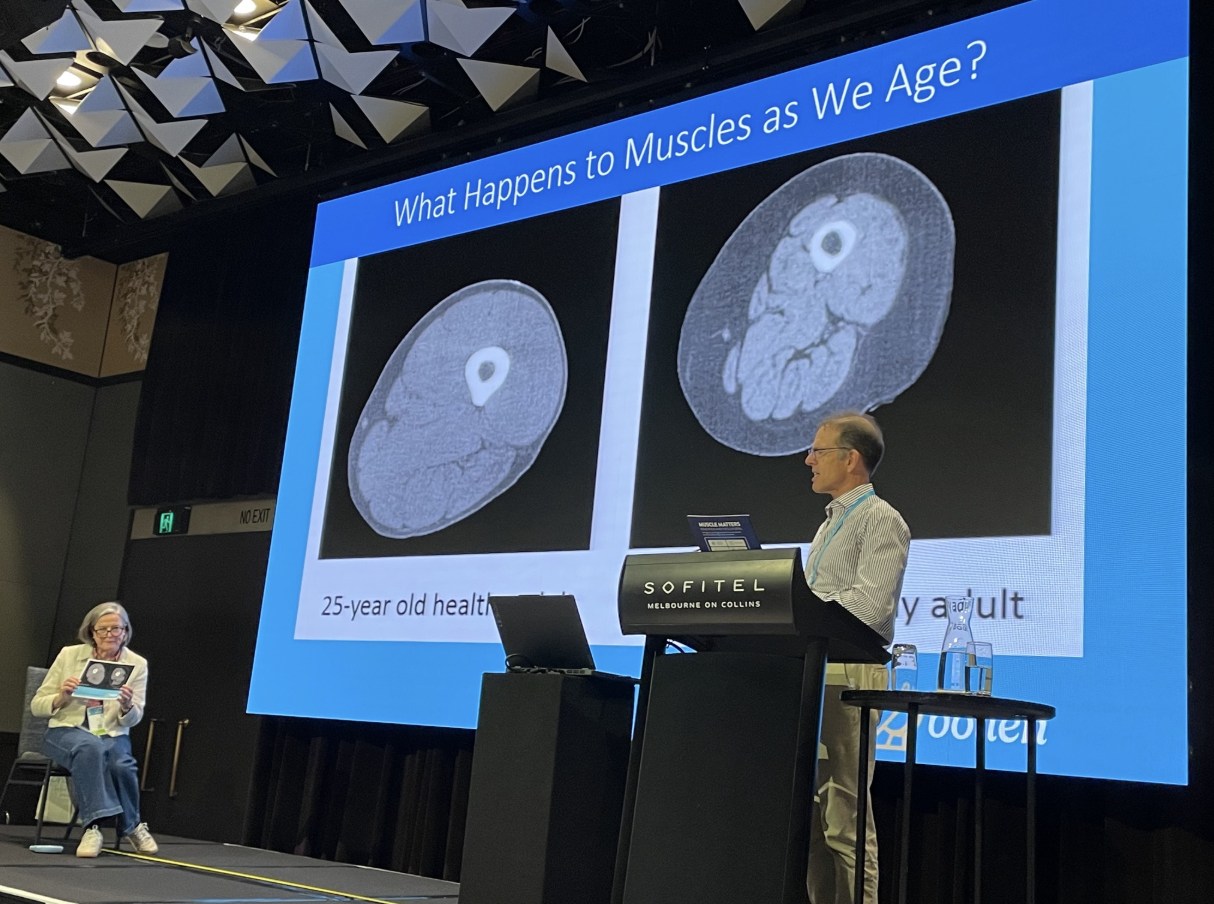
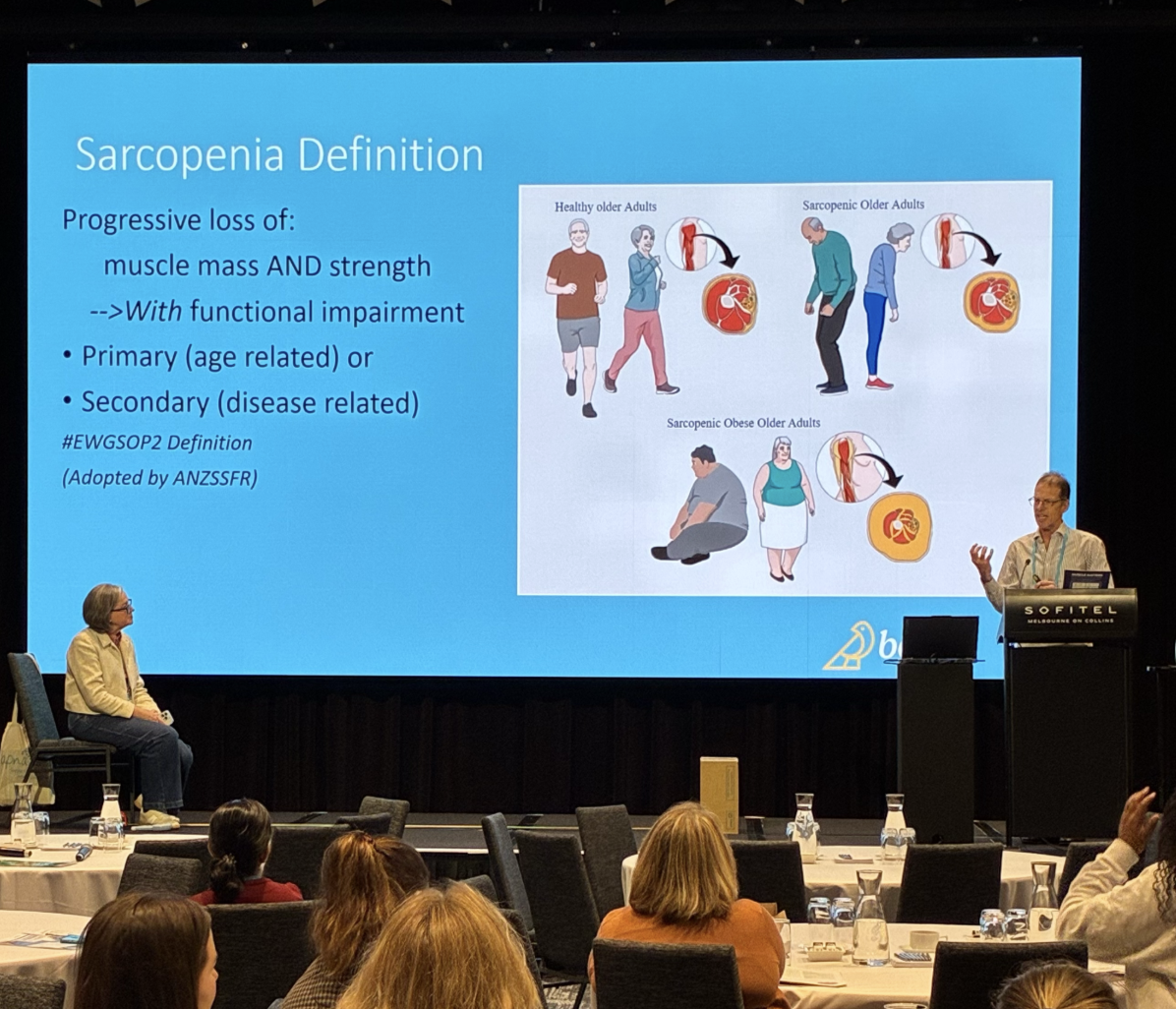
It was great to meet so many wonderful nurses at the Australian Primary Health Care Nurses Association's #FON2026 conference in Melbourne in July. Jane and I presented a "Muscle Matters" workshop built around the recently published Muscle Health Algorithm for Primary Care. A case study left participants surprised at how many people over 50 are at risk of frailty (well over 20%).
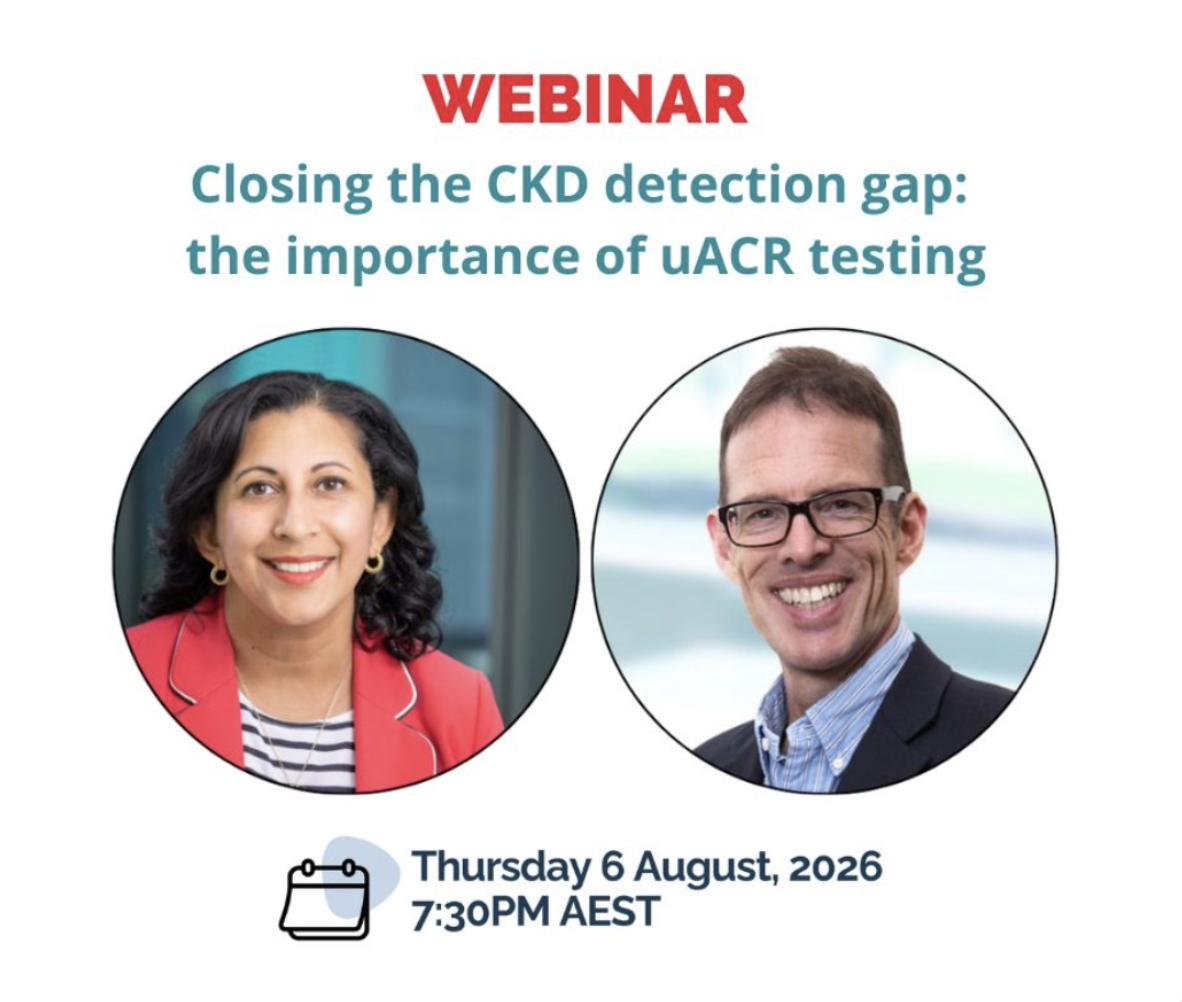
Then earlier this month, Prof Shilpa Jesudason and I ran a Kidney Health Australia webinar on the Kidney Health Check, a test that should be a routine part of the annual health assessment for every person aged 65+. This was also part of the “Taking the Piss” Campaign initiated by Kidney Health Australia to raise awareness amongst the community and health professionals of having a urine ACR check performed. It’s the most important predictor of cardiovascular disease and the progression of CKD, yet 77% of people who are at risk are not being checked.
Why frailty needs to be part of every consult
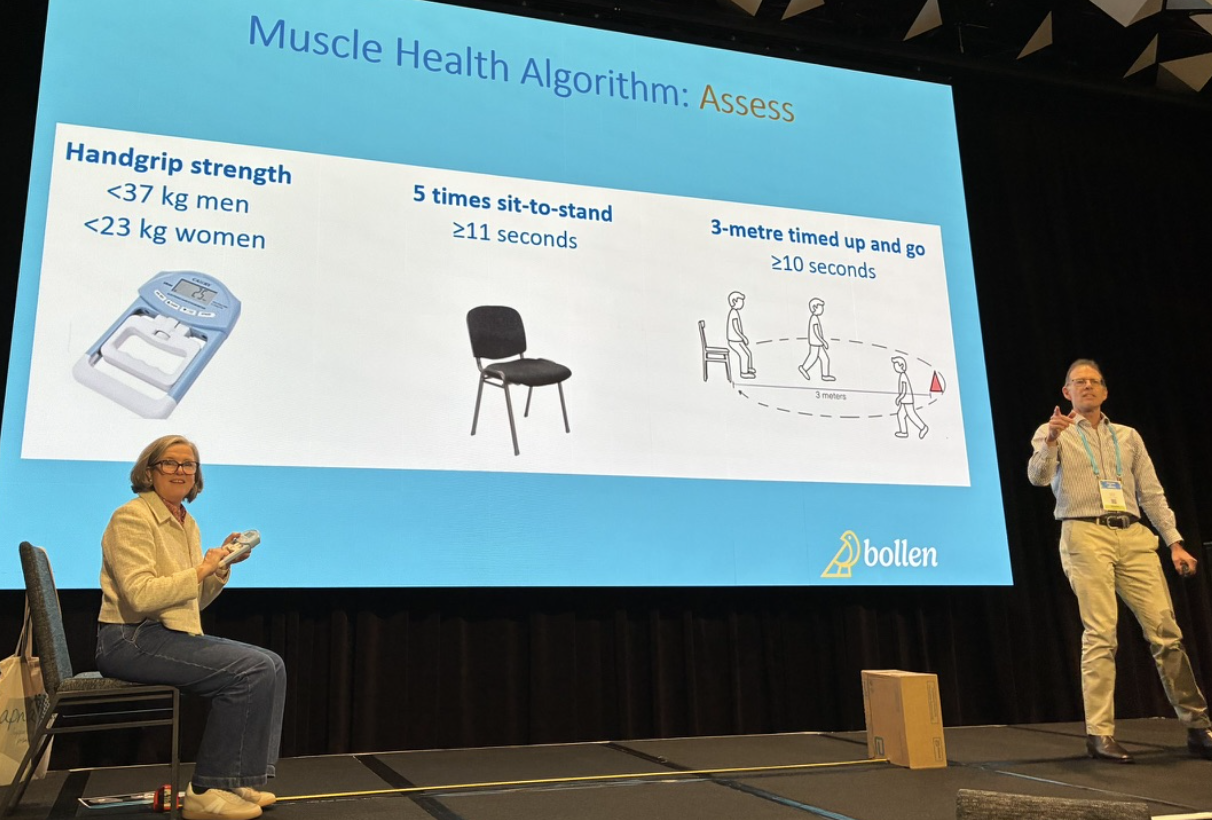
Physical frailty and poor muscle health are not rare and they are not fixed. In our APNA workshop we highlighted well over 20% of the population aged 65+ are at risk, and most clinicians in the room hadn't been screening for sarcopenia or frailty at all. Professor John Morley’s validated FRAIL scale (Fatigue, Resistance, Ambulation, Illness, Loss of weight) takes under a minute to ask, and astute clinicians can answer several of the screening questions for poor muscle health just by watching someone move from the waiting room to the consult room. After asking the questions, ASSESS with objective measures: grip strength on a dynamometer, a timed 5x sit-to-stand. Then MANAGE with resistance exercise and protein, and MONITOR at 6–8 weeks.
Our point isn't to add a new task to the busy day. It’s a high value activity and should lead the health assessment task list from a workflow perspective. Older people are interested in what can be done to keep them living well at home. Due to its high prevalence and its significant impact, let's stop thinking frailty screening is something we mean to get to, and make it something that happens in every 75+ Health Assessment and chronic disease review.
What we're being asked
A few questions have come up again and again this month:
Why does GP software not have the objective measures for muscle health checks?
Where do we find opportunities for nurse education to improve skills for chronic disease management and healthy ageing?
How do we improve the level of engagement with our patients to come in for preventive health checks?
How do we engage our older patients so they are more motivated to make changes in their lifestyle?
These insights reflect that our primary care workforce wants to help older people but they frequently do not have all the tools and skills. This is where Bollen Health can help.
Learn more about the Healthy Ageing Program
A story worth sharing
We connected with a GP and his primary care team recently as part of a Healthy Ageing program. 23% of his practice population are aged 65+, the clinic was working hard, was time poor and there was only one nurse. Working through his data and his business and clinical outcomes, it became clear this was a reactive practice under real stress. Frailty and functional decline were being picked up late, if at all, because there was no system prompting the team to look. We talked through the model of care the practice population actually needed. Within four weeks, they had recruited a second full-time primary care nurse, experienced in both clinical data tools and proactive care. After a further 4 weeks, the quality of care metrics and business metrics had all improved. A great outcome. The doctor told us our involvement had made him stop, reflect, and finally make changes he'd known he needed for years.
Learn more about the Practice Leadership Program
A free guide to add frailty screening to every consult
The barrier to screening for frailty is rarely knowledge. It's that nothing prompts you to do it in the middle of a busy 75+ Health Assessment. So we've reformatted our step-by-step guide for practice nurses and GP teams using Best Practice or Medical Director software: a one-off, five-minute setup that creates a text shortcut called /FRAIL. Once it's in place, typing /frail into a 75+ Health Assessment inserts the full screen, ready to work through with the patient, including everything this month's newsletter has touched on and more:
The validated FRAIL screening tool, with a score and recommended next steps
Objective muscle strength tests: the 4-metre walk test, grip strength and the 5x sit-to-stand test
A malnutrition risk check using the Mini Nutritional Assessment (MNA)
A Kidney Health Check (around 40% of people 75+ show evidence of chronic kidney disease)
An osteoporosis screening check using the FRAX calculator, including BMD due dates
Lying and standing blood pressure, to check for postural hypotension
A reminder to review AIR and vaccination status (shingles, COVID, influenza, RSV, Boostrix and pneumococcal)
It's a free resource, shared with your practice at no charge, and it only needs to be set up once. After that, every clinician in the practice can use it.
Click here to get the free step-by-step guide
Our take
The "why doesn't GP software have a frail screen and objective muscle health measures?" question comes up so often. Sadly the software vendors have no interest in helping support better care, just keeping the General Practice clients compliant with MBS regulations. We have tried to get the improvements happening, but it won’t change soon. The MBS 75+ Health Assessment descriptor states practitioners "may" use evidence-based tools found in RACGP's Silver Book rather than "should," so most software vendors have no reason to build these checks in. Waiting for the software to catch up isn't a plan. A well-designed checklist, like the /FRAIL autofill, is a practical way for any practice to make frailty screening and more proactive evidence based care happen. This will really add value for your patients and the feedback from practices is people actually enjoy the muscle health checks and want to know how to improve!
What's coming up
We'll be sharing the recording of the Kidney Health Australia webinar once it's available, and continuing conversations with the nurses we met at #FON2026 about embedding frailty screening and muscle health checks into routine care. Plus we have just commenced a Healthy Ageing QI project in Brisbane, and a Residential Aged Care QI project in Adelaide.
Looking ahead, September brings Dementia Action Week and Falls Prevention Day, both natural next steps from this month's healthy ageing and frailty focus. Both Jane and I will be attending the Fragility Fracture Network conference in Edinburgh in early October and we will bring you updates from Scotland in the November newsletter.
One thing to do this week
Are you looking after your own muscle health? How many sit to stands can you do in 30 seconds? The normal range is found in the link
Click here to get the free FRAIL autofill guide and add it to your practice's Best Practice or Medical Director software today, so frailty screening becomes part of every 75+ Health Assessment.
Thanks for being part of the Bollen Health network. We value your interest and feedback, and look forward to hearing from you at hello@bollenhealth.com.au
If you have any questions or would like to learn more about how Bollen Health can support your practice or region, please get in touch. We would be pleased to hear from you.
Thank you again for staying connected with Bollen Health.
Warm regards,
Dr Chris Bollen on behalf of Jane Bollen and the Bollen Health team