
Diabetes, healthy ageing and muscle health checks
Dear colleagues and friends,
Thank you for staying connected with our newsletters. We appreciate hearing your thoughts and knowing these updates are bringing some value to your inbox.
This month, we’re sharing a short recap of our June work with general practices, followed by reflections from National Diabetes Week on diabetes, muscle health and healthy ageing.
June recap: Supporting proactive care in general practice
In June, Bollen Health continued supporting the shift from reactive to proactive care. We commenced a Healthy Ageing Quality Improvement Project with general practices across Capital Health Network in Canberra, helping teams review their own data on the care of older people and identify practical opportunities for improvement.
Good clinicians want to do the right thing, but many cannot simply fit more into a reactive consultation model. Our role as Quality Improvement facilitators is to support their improvement journey while ensuring enthusiasm does not overtake capacity.
We also recently presented two sessions at the Australian New Zealand Society of Geriatric Medicine national conference in Adelaide. This included a panel discussion on proactive care that improves function and supports healthy ageing, as well as a presentation of Bollen Health’s Healthy Ageing Program, commissioned by Adelaide Primary Health Networkand evaluated by the Caring Futures Institute at Flinders University.
The evaluation showed that screening for frailty and poor muscle health is possible and effective in general practice. The 308 patients interviewed reported high levels of interest in understanding how they could change their own ageing trajectories. Clinicians reported the approach was sustainable BUT more community education, low cost referral options, primary care nursing hours to do health assessments and care planning, plus software improvements would help to increase its impact.
July focus: Diabetes, muscle health and healthy ageing
National Diabetes Week is a reminder that Type 2 Diabetes is treatable if detected early, and preventable for many people. It’s also not just about blood glucose. It’s complications can affect every organ in the body, and it’s now recognised as a risk factor for premature ageing and dementia.
Prevention needs to remain a whole-community message:
reduce carbonated soft drinks and highly processed foods
eat more nuts, fruit and vegetables
move every day
pay attention to waist measurement.
Visceral fat around the internal organs can reduce the body’s sensitivity to insulin and ages our muscles faster.
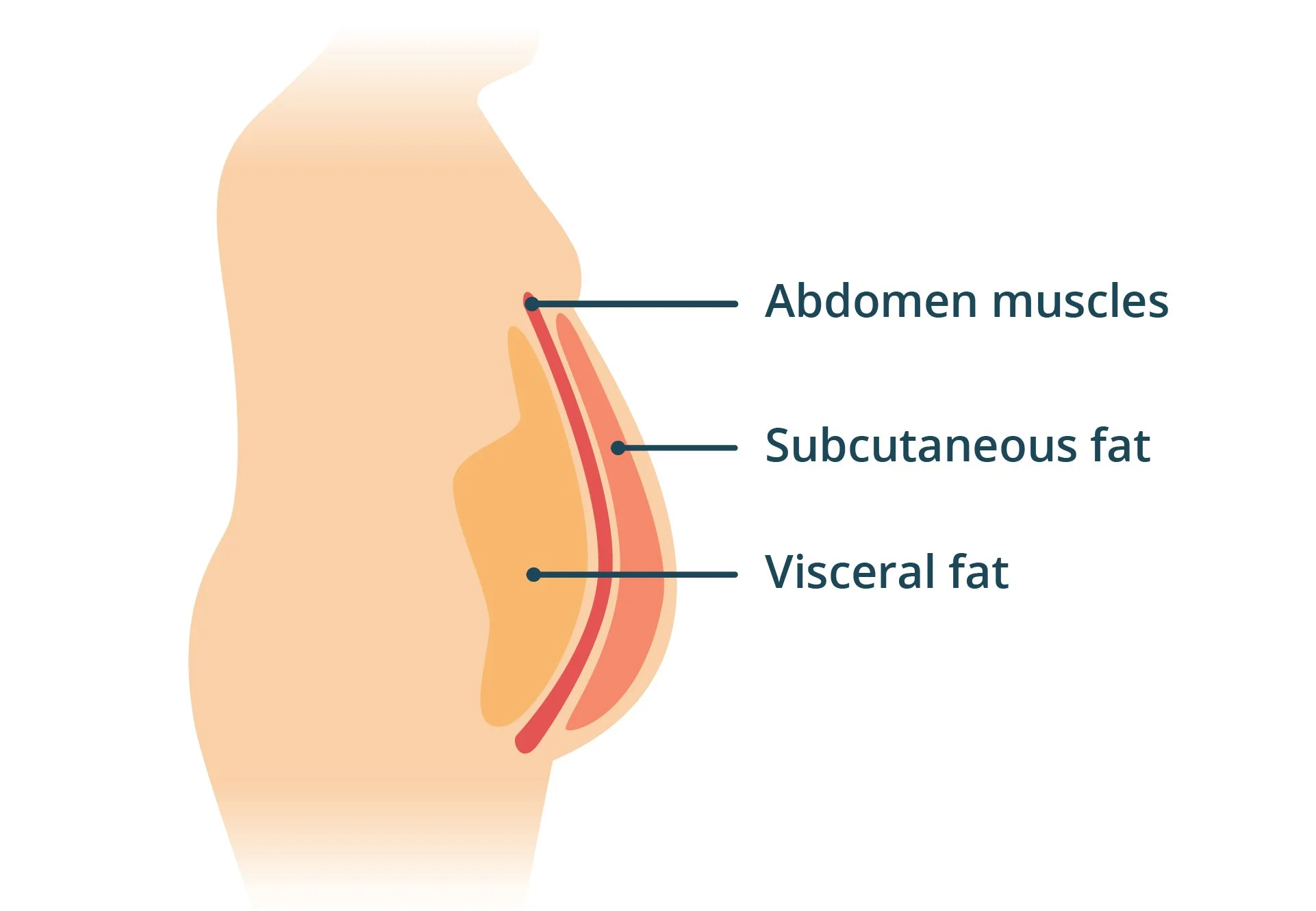
Too much belly fat can block insulin from doing its job, and makes blood sugar go up.
It’s not just weight that matters. Image source: Healthdirect
Why muscle health matters in diabetes care
Diabetes can make muscles weaker over time because high blood sugar and insulin resistance make it harder for the body to build and maintain muscle.
It can also damage the nerves and blood vessels that keep muscles healthy, contributing to sarcopenia: loss of muscle size, strength and function.
Poor muscle health can lead to slower walking, poorer balance, increased falls risk and loss of independence.
This is why resistance exercise, physical activity and adequate protein are important parts of diabetes care, particularly for older adults.
What should be reviewed regularly?
For older adults living with diabetes, regular reviews should include:
Blood glucose control, including HbA1c every 3 to 6 months
Hypoglycaemia risk, especially if using insulin or sulfonylureas
Kidney Health Checks, including eGFR and urine ACR
Eye checks to detect diabetes eye disease early
Foot checks for ulcers, calluses, neuropathy and circulation problems
Blood pressure, lipids, smoking status and cardiovascular risk
Medication side effects, complexity and adherence
Function, cognition, mood, falls risk, frailty and muscle health
These reviews are not just about managing disease. They are about helping people maintain function, confidence and independence.

The role of nurses and primary care teams
General practice nurses and primary care teams can play a vital role beyond the standard diabetes review. Simple checks such as grip strength and five sit-to-stands can help assess muscle health quickly and practically. These tests also help engage patients, especially when linked to everyday goals such as carrying shopping, climbing stairs, getting out of a chair or avoiding falls.
Walking, cycling and gardening support heart and lung fitness, but muscle strength requires progressive resistance training. For many older adults, referral to an exercise physiologist or physiotherapist can help instruct safe activities which can be done either at home, or in a gym.
It is never too late to build muscle. Regular activity and simple check-ins can help patients feel more hopeful, capable and supported as they age.
At Bollen Health, we support practices and primary care teams to move from reactive care to proactive, structured and sustainable care. Our Healthy Ageing Program helps practices identify frailty and poor muscle health earlier, while our Practice Leadership Program supports teams to build the systems, workflows and leadership needed to make improvement sustainable.
Learn more about our programs:
Healthy Ageing Program | Practice Leadership Program
If you have any questions or would like to learn more about how Bollen Health can support your practice or region, please get in touch. We would be pleased to hear from you.
Thank you again for staying connected with Bollen Health.
- Chris, Jane and Rod